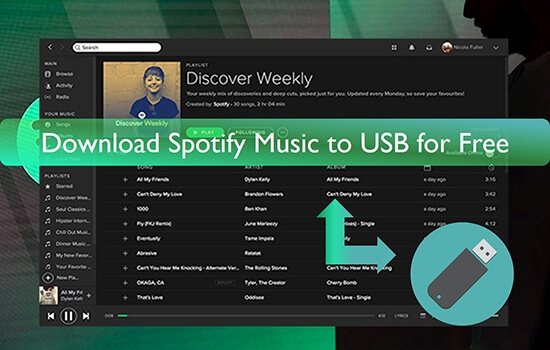
Choosing the right approach to download music to usb for free starts with clear context, practical filters, and realistic expectations.
Introduction to Free Music Download
Downloading music to a USB drive is a convenient way to enjoy your favorite tunes on-the-go. With the rise of digital music, it's easier than ever to access and transfer your favorite songs. However, finding a reliable and free method to download music to USB can be a challenge. In this article, we'll delve into the world of free music download and explore the top tools and methods for transferring music to your USB drive.
Understanding Music File Formats
Before we dive into the download process, it's essential to understand the different music file formats. The most common formats include MP3, WAV, and FLAC. MP3 is the most widely used format, offering a good balance between quality and file size. WAV files, on the other hand, offer higher quality but larger file sizes. FLAC files provide lossless compression, making them ideal for audiophiles.
Top Tools for Free Music Download Here are some
top tools for free music download:
- Jamendo: A popular platform for free and independent music, offering a wide range of genres and artists.
- NoiseTrade: A platform that allows artists to share their music in exchange for email addresses and zip codes.
- Free Music Archive: A non-profit organization that provides high-quality, free music for download.
- Musopen: A platform that offers free classical music downloads, including orchestral and chamber music.
- SoundCloud: A popular music streaming platform that also allows artists to share their music for free download.
Transferring Music to USB
Once you've downloaded your favorite tunes, it's time to transfer them to your USB drive. This process is relatively straightforward and can be done using a few simple steps:
Using a USB Drive
To transfer music to your USB drive, simply connect the drive to your computer, open the file explorer, and drag and drop the music files into the USB drive folder.
Using Music Transfer Software
Alternatively, you can use music transfer software to simplify the process. Some popular options include:
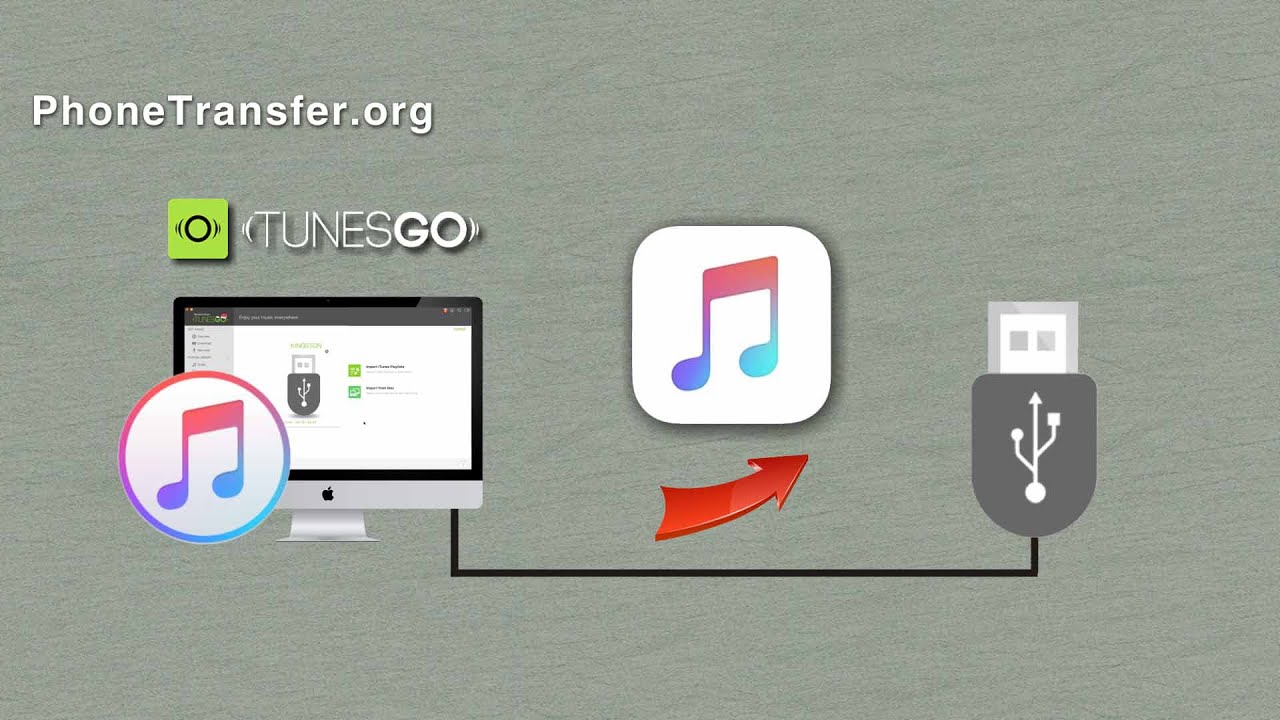
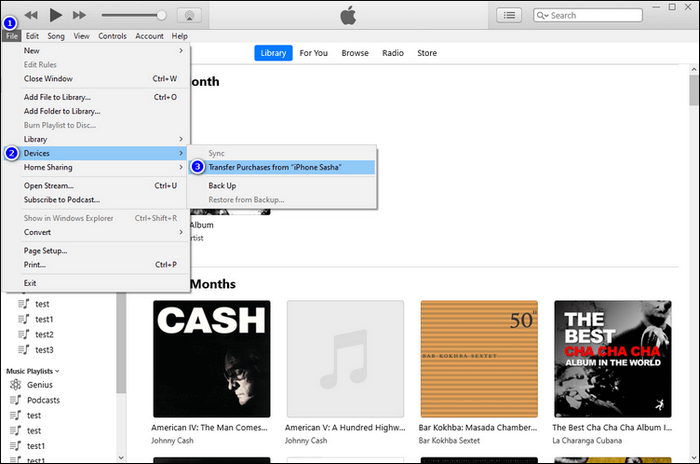
- iTunes: A widely used media player that also allows music transfer to USB drives.
- Windows Media Player: A built-in media player for Windows that supports music transfer to USB drives.
- Winamp: A popular media player that offers a range of features, including music transfer to USB drives.
Common Mistakes to Avoid When downloading and transferring music to USB, there are a few common mistakes to avoid:
- Using low-quality music files: Low-quality files can result in poor sound quality and a disappointing listening experience.
- Not checking file formats: Failing to check the file format can result in compatibility issues with your USB drive or music player.
- Not organizing music files: Failing to organize your music files can make it difficult to find and play your favorite tunes.
Practical Examples and Use Cases
Downloading music to USB can be useful in a variety of situations, including:
- Creating a playlist for a party: Downloading your favorite tunes to a USB drive can make it easy to create a playlist for a party or special event.
- Listening to music in the car: Transferring music to a USB drive can make it easy to listen to your favorite tunes in the car, without the need for a CD player or streaming service.
- Backing up your music library: Downloading music to a USB drive can provide a safe and secure backup of your music library, in case your computer or hard drive fails.
Limitations and Workflow Tips When downloading and transferring music to USB, there are a few limitations and workflow tips to keep in mind:
- USB drive capacity: The capacity of your USB drive can limit the amount of music you can store, so be sure to choose a drive with sufficient storage space.
- Music file size: Large music files can take up a lot of space on your USB drive, so be sure to choose files with a suitable file size.
- Organization: Keeping your music files organized can make it easy to find and play your favorite tunes, so be sure to create folders and playlists to keep your music library tidy.
Conclusion Downloading music to
USB for free is a convenient and easy way to enjoy your favorite tunes on-the-go. By understanding music file formats, using top tools for free music download, and transferring music to USB using simple steps, you can create a personalized music library that's perfect for any occasion. Remember to avoid common mistakes, use practical examples and use cases, and keep your music files organized to get the most out of your music library.