Choosing the right approach to download music to usb from laptop starts with clear context, practical filters, and realistic expectations.
Introduction to Music Transfer
Transferring music from a laptop to a USB drive is a common task for many music lovers. Whether you want to create a backup of your music library, share songs with friends, or simply free up space on your laptop, knowing how to download music to a USB drive is essential. This process can seem daunting, especially for those who are not tech-savvy, but it's actually quite straightforward.
Understanding the Basics
Before you start transferring music, it's crucial to understand the basics of the process. This includes knowing the format of your music files, the capacity of your USB drive, and the compatibility of your laptop's operating system with the transfer process. Most music files are in MP3 format, which is widely supported by most devices. However, if your files are in a different format, you might need to convert them before transferring.
Choosing the Right USB Drive
The capacity of your USB drive is another important factor to consider. If you have a large music library, you'll need a USB drive with sufficient storage capacity to hold all your files. USB drives come in various capacities, ranging from a few gigabytes to several terabytes. Choose a drive that can accommodate your music collection comfortably.
Popular Music Transfer Tools

There are several tools and software options available that can help you transfer music from your laptop to a USB drive. Some of the most popular options include: - iTunes - Windows Media Player - VLC Media Player - Spotify - Google Play Music
Each of these tools has its own set of features and limitations, so it's worth exploring which one best suits your needs.
Step-by-Step Considerations
When transferring music, there are several step-by-step considerations to keep in mind. This includes connecting your USB drive to your laptop, selecting the music files you want to transfer, and choosing the transfer method. It's also important to ensure that your USB drive is properly formatted and recognized by your laptop.
Common Mistakes to Avoid One
common mistake people make when transferring music is not ensuring that their USB drive is properly connected and recognized by their laptop. This can lead to errors and failed transfers. Another mistake is not checking the format of the music files before transferring them. If the files are not in a compatible format, they may not play properly on other devices.
Practical Examples and Use Cases Transferring music from a laptop to a USB drive has
several
practical applications. For example, you can create a music library that you can take with you on the go, or share your favorite songs with friends and family. You can also use this process to backup your music collection, protecting it against loss or damage.
Limitations and Workflow Tips
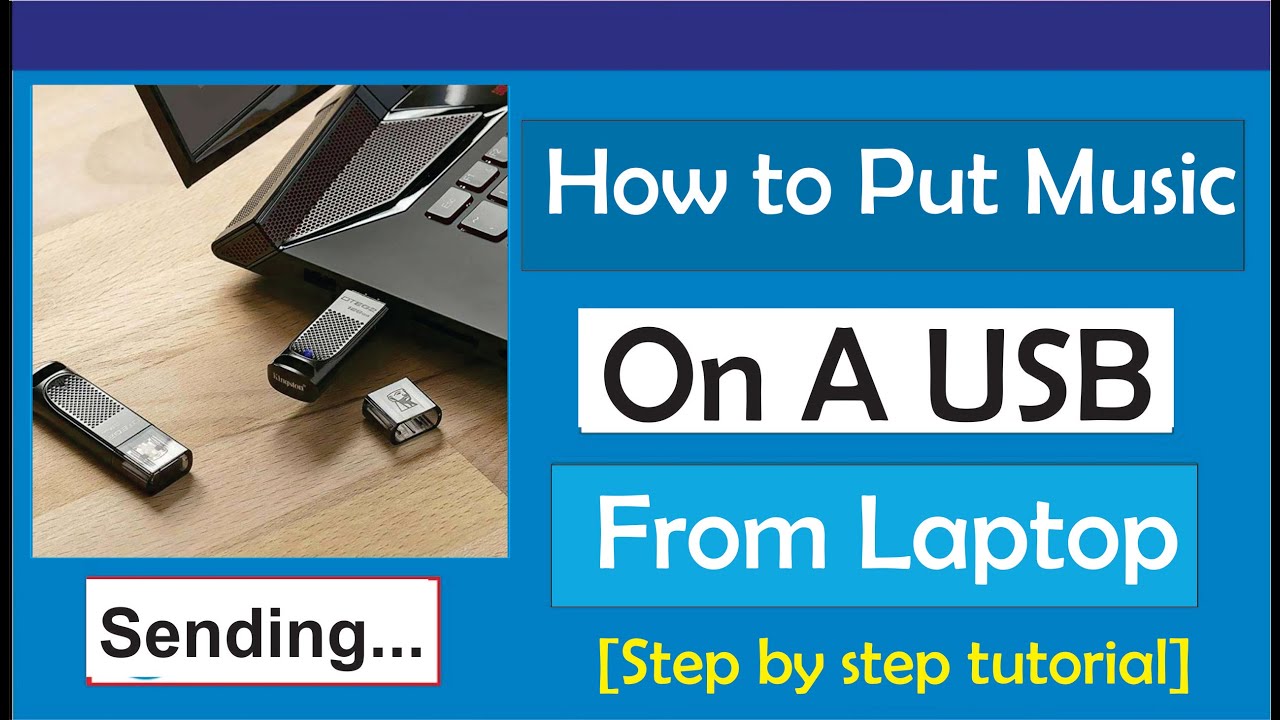
While transferring music from a laptop to a USB drive is generally a straightforward process, there are some limitations and workflow tips to keep in mind. For example, the transfer speed can depend on the size of the music files and the capacity of the USB drive. It's also important to organize your music files properly before transferring them, to make it easier to find and play the songs you want.
Comparing Transfer Methods
There are different methods you can use to transfer music from your laptop to a USB drive, each with its own advantages and disadvantages. For example, you can use a drag-and-drop method, which is simple but may not preserve the metadata of the music files. Alternatively, you can use a transfer software, which can preserve the metadata but may require more technical expertise.
Direct Comparison
| Method | Advantages | Disadvantages |
|---|---|---|
| Drag-and-Drop | Simple, easy to use | May not preserve metadata |
| Transfer Software | Preserves metadata, flexible | Requires technical expertise |
Verdict and Recommendation Based on the comparison, the best method for transferring music from a laptop to a
USB drive depends on your specific needs and preferences. If you prioritize simplicity and ease of use, the drag-and-drop method may be the best choice. However, if you want to preserve the metadata of your music files, using a transfer software is recommended.
Conclusion Transferring music from a laptop to a
USB drive is a useful skill that can help you manage your music collection and enjoy your favorite songs on the go. By understanding the basics of the process, choosing the right tools and software, and following the step-by-step considerations, you can easily transfer your music files and enjoy them wherever you want.