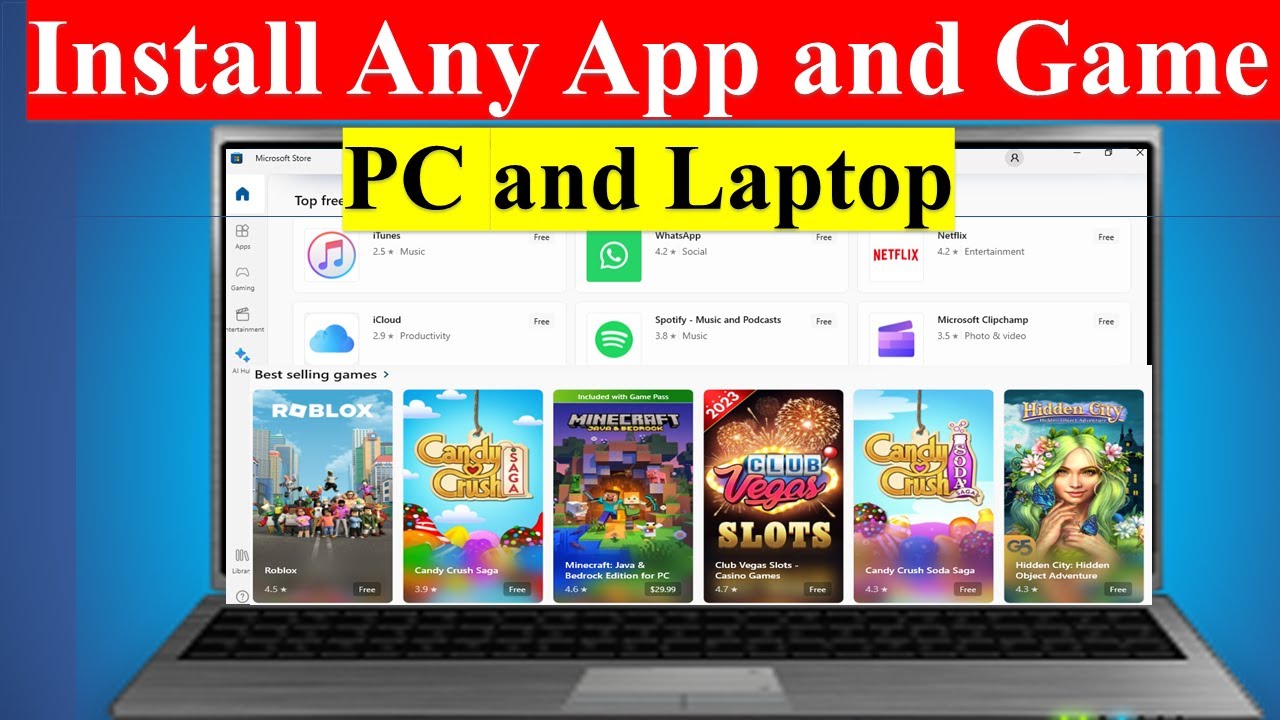
Choosing the right approach to downloading apps on laptop made easy starts with clear context, practical filters, and realistic expectations.
Introduction to Laptop Apps
Downloading apps on a laptop can be a daunting task, especially for those who are new to the world of technology. With so many options available, it can be overwhelming to choose the right apps and platforms. However, with the right guidance, you can easily download and install your favorite apps on your laptop.
Understanding App Stores App stores are the primary source for downloading apps on laptops. The two most popular app stores are the Microsoft Store for Windows laptops and the App Store for Mac laptops. These stores offer a wide range of apps, from productivity tools to entertainment apps.
Understanding how to navigate these stores is essential for finding and downloading the right apps.
Popular App Stores for Laptops Some of the
most
popular app stores for laptops include:
- Microsoft Store
- App Store
- Google Play Store
- Amazon Appstore
- Steam
Downloading Apps from Websites In addition to app stores,
many apps can be downloaded directly from the developer's website. This option is often preferred by users who want to avoid the restrictions and guidelines set by app stores. However, it's essential to be cautious when
downloading apps from websites, as they may contain malware or viruses.
Common Mistakes to Avoid
When downloading apps from websites, it's crucial to avoid common mistakes such as: + Downloading apps from untrusted sources + Ignoring system requirements and compatibility issues + Not reading user reviews and ratings
Alternative App Platforms For users who want to explore alternative app platforms, there are several options available. These platforms offer a unique set of apps that may not be available on traditional app stores. Some popular alternative app platforms include:
- Snap Store
- Flatpak
- PortableApps.com
Tips for Managing Downloaded Apps

Once you've downloaded and installed your favorite apps, it's essential to manage them effectively. This includes:
- Keeping apps up-to-date with the latest versions
- Uninstalling unused apps to free up space
- Organizing apps into categories and folders
Troubleshooting Common Issues When downloading and installing apps, users may encounter common issues such as:
- App crashes and freezes
- Compatibility issues with other apps
- Installation errors and failed downloads
Practical Examples For example, if you're trying to download a video editing app, you may encounter compatibility issues with your laptop's graphics card.
In this case, you may need to upgrade your graphics card or choose a different app that is compatible with your laptop's specifications.
Conclusion
Downloading apps on a laptop can be a straightforward process if you know where to start.
By understanding app stores, exploring alternative platforms, and managing your downloaded apps, you can get the most out of your device. Remember to always be cautious when downloading apps from websites and to follow best practices for managing your apps.