/windows11corrupt01-fcfdd63327464e5a91f1d84268a409a1.jpg)
Choosing the right approach to fixing corrupted files: solutions and strategies starts with clear context, practical filters, and realistic expectations.
Introduction to Corrupted Files
Corrupted files can be a frustrating and debilitating issue, especially when they contain important data or are crucial for a project. Whether it's a document, image, video, or executable file, corruption can render the file unusable, leading to significant losses in productivity and potentially even financial losses. Understanding the causes of file corruption is the first step towards finding a solution.
Common Causes of File Corruption
File corruption can occur due to a variety of reasons, including but not limited to, improper shutdowns, malware or virus attacks, software bugs, physical damage to storage devices, and interrupted file transfers. Each of these causes can result in different types of corruption, necessitating different approaches to repair.
Identifying Corrupted Files
Identifying corrupted files is crucial for taking corrective action. Symptoms can range from files not opening or launching, to displaying distorted content, or showing error messages. Sometimes, files may appear to be working correctly but contain incorrect or garbled data, making detection more challenging.
Strategies for Fixing Corrupted Files
![[Solved] How to Fix Corrupted Files on Windows 11/10/8/7/XP](https://images.imyfone.com/anyrecover/images/public/fix-corrupted-files-win10-cmd.jpg)
Fixing corrupted files often requires a combination of preventative measures, immediate action upon noticing corruption, and the use of specialized tools. Preventative measures include regularly backing up files, using reliable storage devices, and keeping software up to date. Immediate actions can involve stopping the use of the corrupted file to prevent further damage and seeking out backup copies.
Tools for Repairing Corrupted Files
There are numerous tools available for repairing corrupted files, each with its strengths and suited for different types of files. Here are some options: - Stellar Repair for Word, Excel, PowerPoint: Specialized in repairing corrupted Microsoft Office files. - File Repair: A tool that can fix corrupted files of various formats, including documents, images, and videos. - Recovery Toolbox for ZIP: Designed for repairing corrupted ZIP archives, helping recover compressed data. - Digital Video Repair: Useful for fixing corrupted video files, ensuring they can be played back smoothly. - HDRtist: A tool for repairing corrupted image files, especially useful for photographers and graphic designers.
Best Practices for Preventing File Corruption Prevention is the
best cure when it comes to file corruption. Implementing best practices such as regularly updating software, avoiding overwriting files, using high-quality storage devices, and maintaining a clean and virus-free computer environment can significantly reduce the risk of file corruption.
Common Mistakes to Avoid Several
common mistakes can exacerbate the problem of file corruption or make recovery more difficult. These include attempting to edit or modify the corrupted file, which can overwrite potentially recoverable data, and not acting quickly to address the issue, allowing further corruption to occur.
Practical Examples and Use Cases
In real-world scenarios, individuals and organizations face file corruption issues regularly. For instance, a photographer might encounter corrupted image files after a photoshoot, requiring immediate repair to meet a deadline. Similarly, a business might experience corrupted database files, necessitating swift recovery to maintain operations.
Limitations and Workflow Tips
While tools and strategies are available for fixing corrupted files, there are limitations to what can be recovered. Understanding these limitations and incorporating file recovery into the workflow can help mitigate the impact of corruption. Regular backups, for example, can ensure that even if a file becomes corrupted, a recent, uncorrupted version is available.
Conclusion
Fixing corrupted files requires a combination of preventative measures, immediate action, and the use of specialized tools.
By understanding the causes of corruption, being aware of the tools and strategies available, and incorporating best practices into daily workflow, individuals and organizations can minimize the risk and impact of file corruption.
Frequently Asked Questions
- What causes file corruption?
- - File corruption can occur due to improper shutdowns, malware attacks, software bugs, physical damage to storage devices, and interrupted file transfers.
- How can I prevent file corruption?
- - Regular backups, using reliable storage devices, keeping software up to date, and maintaining a virus-free environment can help prevent file corruption.
- Can all corrupted files be fixed?
- - Not all corrupted files can be fully recovered. The success of recovery depends on the extent and type of corruption, as well as the tools and expertise available.
- What are the symptoms of a corrupted file?
- - Symptoms include files not opening, displaying error messages, showing distorted content, or containing garbled data.
- How can I recover a corrupted file without specialized tools?
- - Sometimes, simply restarting the computer or trying to open the file with a different program can resolve the issue. However, for more severe corruption, specialized tools are usually necessary.
- Are there free tools available for fixing corrupted files?
- - Yes, there are free tools available, though their effectiveness can vary, and they may not offer the same level of functionality as paid software.
- Can corrupted system files be fixed?
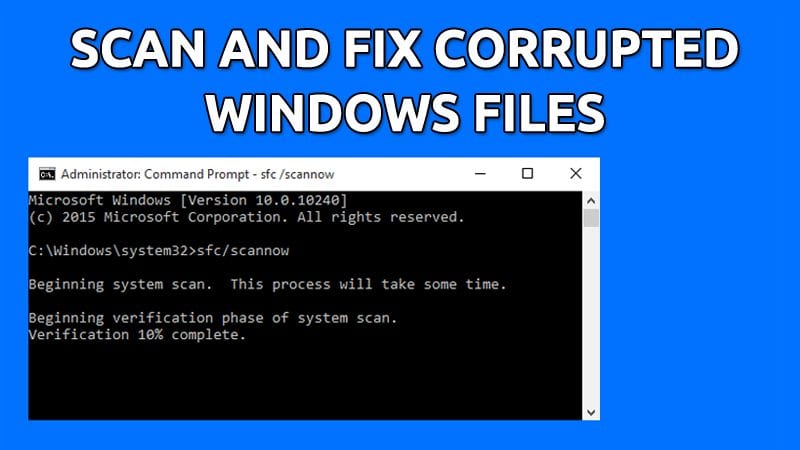
- - Yes, corrupted system files can often be fixed using system file checker tools provided by the operating system or through the use of third-party repair software.