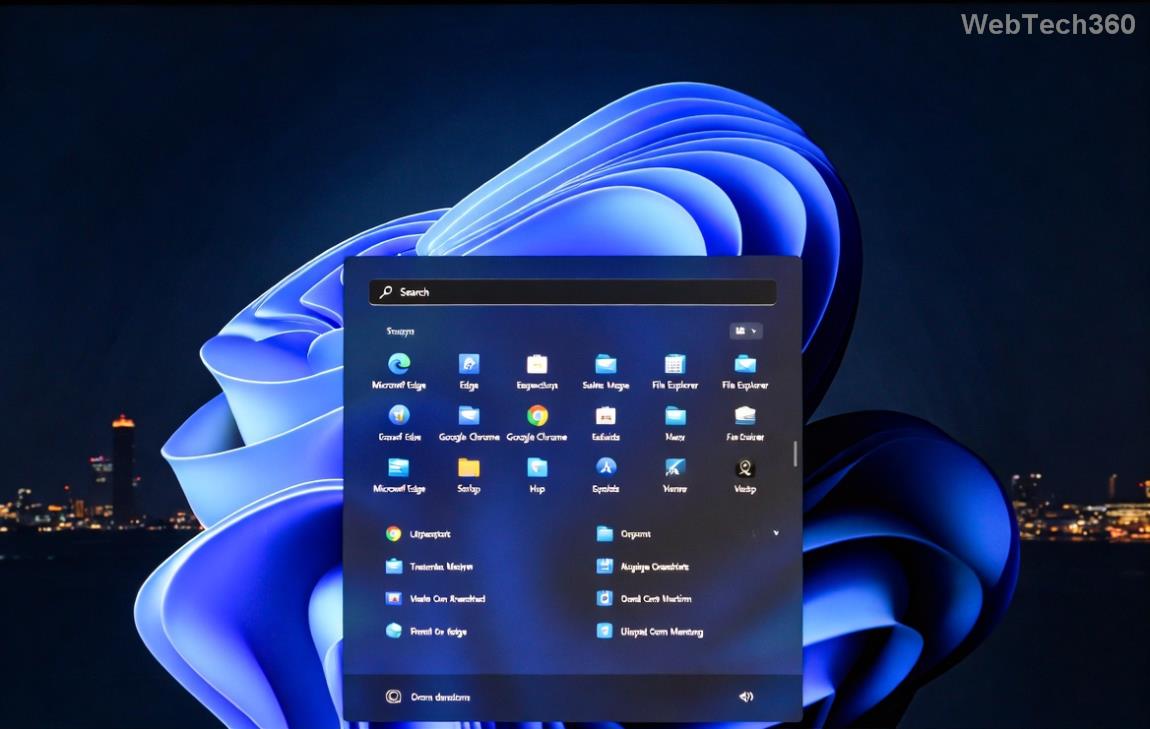
Choosing the right approach to fixing lag on windows 11 pc starts with clear context, practical filters, and realistic expectations.
Introduction to Lag on Windows 11
Lag on Windows 11 can be frustrating, especially when you're in the middle of an important task or gaming session. It's essential to identify the causes of lag and take corrective measures to ensure a seamless user experience.
Understanding the Causes of Lag
There are several reasons why your Windows 11 PC may be experiencing lag. Some common causes include:
Outdated Drivers
Outdated drivers can cause compatibility issues and lead to lag. It's crucial to keep your drivers up-to-date to ensure smooth performance.
Malware and Viruses
Malware and viruses can slow down your PC and cause lag. Regularly scanning your PC for malware and viruses can help prevent this issue.
Disk Space and Cleanup Insufficient
disk space and a cluttered hard drive can lead to lag. Regularly cleaning up your disk and freeing up space can help improve performance.
Optimizing Your PC for Better Performance
To fix lag on your Windows 11 PC, you need to optimize your system for better performance. Here are some tips:
Updating Windows and Drivers
Keeping your Windows and drivers up-to-date is essential for smooth performance. You can update your Windows and drivers by:
- Going to Settings > Update & Security > Windows Update
- Clicking on Check for updates
- Installing any available updates
Disabling Startup Programs
Disabling unnecessary startup programs can help improve performance and reduce lag. You can disable startup programs by:
- Pressing the Windows key + R
- Typing msconfig
- Clicking on the Startup tab
- Disabling any unnecessary programs
Tools for Fixing Lag on Windows 11
There are several tools available that can help you fix lag on your Windows 11 PC. Here are some options:
- CCleaner: A disk cleanup tool that can help free up space and improve performance
- Malwarebytes: An anti-malware tool that can help detect and remove malware
- Driver Booster: A driver update tool that can help keep your drivers up-to-date
- Glary Utilities: A system optimization tool that can help improve performance
- Advanced SystemCare: A system optimization tool that can help fix lag and improve performance

Common Mistakes to Avoid When trying to fix lag on your Windows 11 PC, there are some common mistakes to avoid. These include:
- Overclocking: Overclocking your PC can lead to instability and lag. It's essential to overclock your PC carefully and monitor its performance.
- Ignoring Updates: Ignoring updates can lead to compatibility issues and lag. It's essential to keep your Windows and drivers up-to-date.
- Not Monitoring Performance: Not monitoring your PC's performance can make it difficult to identify and fix lag. It's essential to monitor your PC's performance regularly.
Practical Examples and Use Cases Here are some
practical examples and use cases for fixing lag on Windows 11:
- Gaming: If you're experiencing lag while gaming, try updating your graphics drivers and closing unnecessary programs.
- Video Editing: If you're experiencing lag while video editing, try closing unnecessary programs and updating your graphics drivers.
- General Use: If you're experiencing lag during general use, try disabling startup programs and updating your Windows and drivers.
Conclusion
Fixing lag on your Windows 11 PC requires a combination of optimization, maintenance, and troubleshooting. By following the tips and using the tools outlined in this guide, you can improve your PC's performance and eliminate lag.